
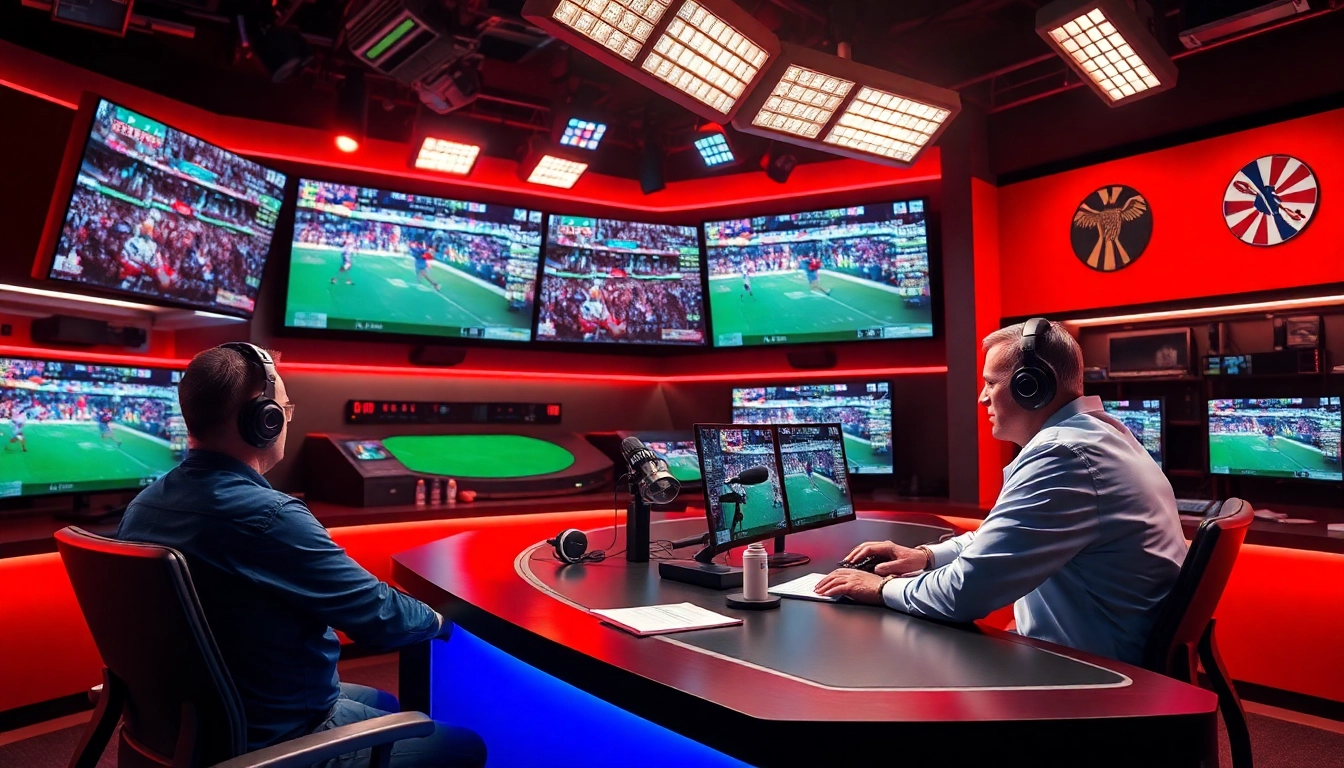
Understanding Sports Broadcasting
What is Sports Broadcasting?
Sports broadcasting refers to the distribution of live or recorded sports events through various media platforms, including television, radio, and digital platforms. It serves as a crucial link connecting audiences to their favorite sports, teams, and athletes. From thrilling live-action to in-depth analysis and commentary, Sports Broadcasting encompasses everything that elevates the viewing experience for fans around the world.
The Evolution of Sports Broadcasting
The journey of sports broadcasting began in the early 20th century with radio broadcasts, allowing fans to follow games from the comfort of their homes. As technology advanced, television became the new frontier, revolutionizing how viewers accessed sports content. The introduction of satellite and cable TV expanded reach, enabling sports coverage to become a staple of household entertainment. Today, digital platforms are leading the charge with live streaming, social media highlights, and interactive features that are changing the landscape yet again.
Significance of Sports Broadcasting in Today’s Media
In today’s media ecosystem, sports broadcasting plays an integral role in audience engagement, advertising, and revenue generation. It not only fosters community and loyalty among fans but also presents a significant opportunity for sponsors and brands looking to target a dedicated viewership. Furthermore, live sports events are one of the few broadcasting phenomena capable of drawing large audiences simultaneously, making it an invaluable asset for networks and platforms alike.
Key Components of Effective Sports Broadcasting
Preparing for a Broadcast
Effective sports broadcasting begins long before the camera rolls. Proper preparation involves researching game statistics, understanding team dynamics, and reviewing player backgrounds. Anchors and commentators should prepare scripts that allow for flexibility while ensuring they can convey meaningful narratives. This preparation not only enhances the broadcast quality but also empowers staff to adapt dynamically to the unfolding event.
Understanding the Audience
To engage an audience effectively, broadcasters need a deep understanding of their viewers’ preferences, behaviors, and demographics. Tailoring content to resonate with specific audience segments — be it passionate fans, casual viewers, or sports analysts — is vital. Using analytics tools to gauge viewership patterns can guide broadcasters in creating compelling content that captures and retains attention.
Utilizing Technology in Sports Broadcasting
The role of technology in sports broadcasting cannot be overstated. High-definition cameras, drones, virtual reality, and augmented reality are enhancing the viewing experience. Data visualization tools and instant replay systems are vital for providing context and enhancing the narrative during live broadcasts. Embracing these technologies enables broadcasters to present content in more engaging and insightful ways, raising the bar for viewer expectations.
Strategies for Successful Sports Commentary
Crafting Engaging Narratives
Successful sports commentators are storytellers at heart. Their ability to craft engaging narratives around games — highlighting key moments and pivotal plays — can transform a routine broadcast into an immersive experience. By incorporating anecdotes, historical references, and player interviews, commentators create a rich tapestry that connects fans with the moment, enriching their viewing journey.
Voice Modulation and Presentation
Effective voice modulation and presentation are key components of sports commentary. A commentator’s tone, pace, and inflection should vary in response to the game’s dynamics. A crescendo in excitement during a last-minute goal or a reflective tone when discussing an athlete’s retirement helps convey the full emotional spectrum of the sport. This skill enhances relatability and establishes a lasting connection with the audience.
Building a Connection with Viewers
Building a rapport with viewers is essential for establishing credibility and loyalty. Commentators should strive to be relatable, sharing personal insights or experiences related to the game. Engaging with fans via social media or through interactive features during broadcasts can further solidify this connection and enrich the community experience. By creating a sense of familiarity, commentators can turn casual viewers into dedicated fans.
Challenges in Sports Broadcasting
Handling Live Events and Unexpected Situations
Live sports broadcasts are inherently unpredictable, and unexpected events can occur at any moment. Whether it’s a sudden injury, a controversial play, or an unexpected weather disruption, broadcasters must remain composed and adapt quickly. Effective preparation, including rehearsing possible scenarios, equips teams with the resilience needed to maintain professionalism, ensuring the audience remains informed and engaged during tumultuous moments.
Dealing with Technical Issues
Technical glitches can disrupt broadcasts and jeopardize viewer experience. Equipment malfunctions, poor connectivity, or audio issues can create significant headaches for broadcasters. To mitigate these risks, investing in high-quality, reliable technology and conducting pre-broadcast tests is essential. Additionally, having a dedicated technical team on standby can help ensure rapid resolution of any issues that arise during live airing.
Maintaining Ethical Standards in Broadcasting
Ethics play a crucial role in sports broadcasting. Broadcasters must remain impartial and fair in their commentary, avoiding favoritism or biases. Upholding accuracy in reporting and respecting players’ privacy rights is critical. Furthermore, making ethical decisions during controversies helps maintain public trust and can foster healthy conversations around the sport.
The Future of Sports Broadcasting
Emerging Trends in Sports Broadcasting
The sports broadcasting industry is poised for transformation, driven by emerging trends. As audiences increasingly consume content through digital platforms, broadcasters must adapt to new consumption habits, such as on-demand and multi-screen viewing. Innovations such as 360-degree video and interactive content are reshaping how fans engage with sports. Staying ahead of these trends is vital for broadcasters to remain relevant and competitive.
Impact of Social Media on Sports Broadcasting
Social media has revolutionized sports broadcasting by enabling real-time interaction between fans, athletes, and broadcasters. Platforms such as Twitter, Instagram, and TikTok are not only spreading highlights and behind-the-scenes content but also creating avenues for immediate fan feedback. This two-way communication enriches the viewing experience and creates opportunities for broadcasters to better understand their audiences.
Preparing for the Next Era of Sports Broadcasting
As we look toward the future, preparation for the next era of sports broadcasting requires agility and innovation. Broadcasters must invest in emerging technologies, enhance their digital strategies, and continuously adapt to the changing landscape. By prioritizing audience engagement and actively seeking innovative ways to enhance broadcasting experiences, sports networks can thrive amidst evolving viewer expectations.
FAQs about Sports Broadcasting
1. What does a sports broadcaster do?
A sports broadcaster provides commentary and analysis of sporting events, conveying both live action and context to viewers.
2. How has technology changed sports broadcasting?
Technology has introduced high-definition visuals, instant replays, and interactive features, enhancing viewer engagement and experience.
3. What skills are essential for a sports commentator?
Key skills include strong communication, in-depth sports knowledge, voice modulation, and the ability to engage with the audience effectively.
4. Why is audience understanding important in broadcasting?
Understanding the audience helps create tailored content that resonates with viewers, enhancing their overall experience and engagement.
5. What are the main challenges in live sports broadcasting?
Main challenges include handling unexpected events, managing technical difficulties, and maintaining ethical standards during broadcasts.