Understanding Sports Broadcasting
What is Sports Broadcasting?
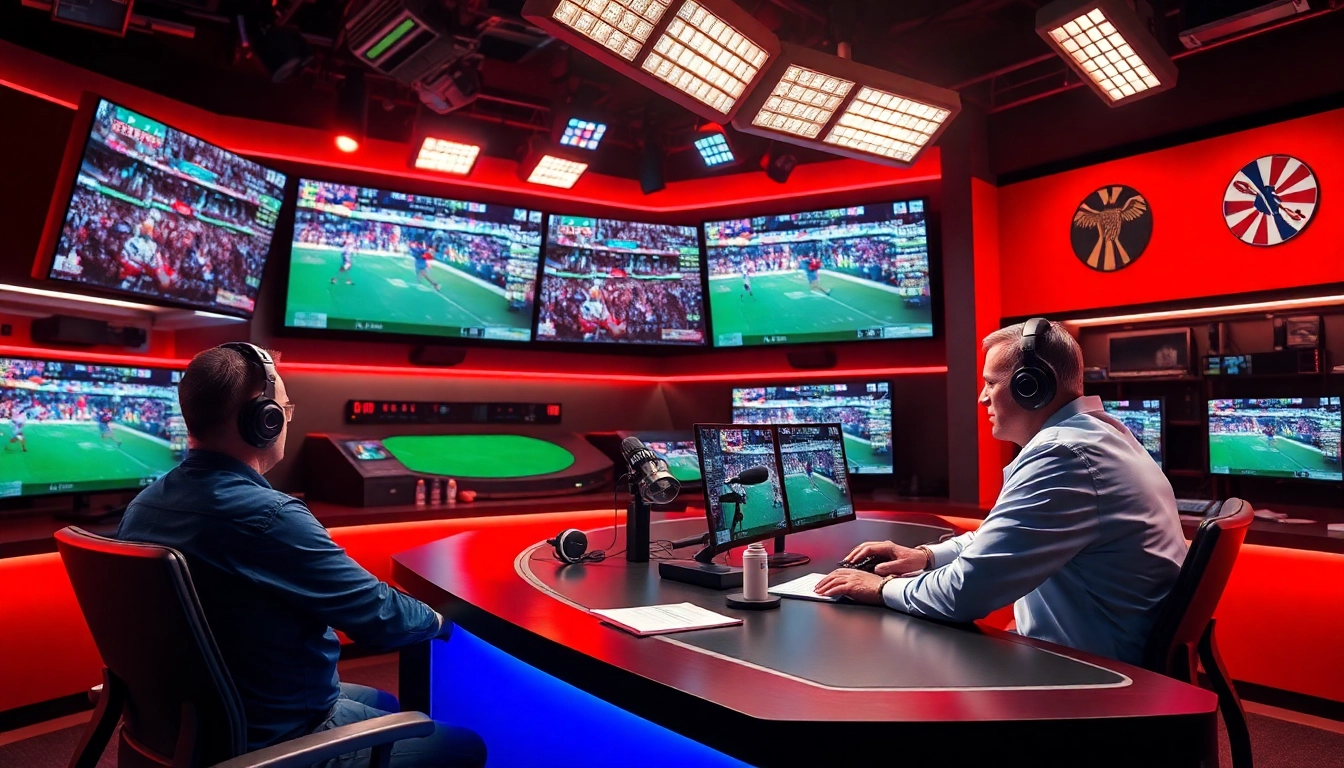
Sports Broadcasting is the live transmission of sporting events through various media platforms, including television, radio, and online streaming. By delivering commentary, analysis, and real-time updates, broadcasters create an engaging viewing experience. This essential aspect of media not only informs fans about games but also enhances their emotional connection with the sports, athletes, and teams they love. An integral part of the media landscape, Sports Broadcasting plays a significant role in shaping public perception and fan engagement.
The History of Sports Broadcasting
The roots of sports broadcasting can be traced back to the early 20th century when radio broadcasts began to cover significant sporting events. The 1921 boxing match between Jack Dempsey and Georges Carpentier marked one of the first major instances of live sports coverage, capturing the attention of millions. The subsequent invention and rise of television in the 1940s and 1950s revolutionized the industry, allowing audiences to witness significant moments from their homes. Major events such as the Olympics and the Super Bowl became staples of American culture, drawing in record viewership and creating a lucrative advertising market. As technology and audience preferences evolved, so too did the methods and platforms for delivering live sports content.
Importance of Sports Broadcasting in Media
Sports broadcasting is crucial for several reasons. It not only provides live coverage and commentary but also serves as a pivotal platform for storytelling within sports, enabling audiences to connect with athletes and teams on a deeper level. This connection can drive engagement through social media and other channels, fostering a community of fans. Additionally, sports broadcasting generates significant economic benefits by boosting advertising revenue, sponsorship opportunities, and merchandise sales, ultimately contributing to the overall growth of the sports industry and its affiliated businesses.
Key Components of Sports Broadcasting
Technology Behind Sports Broadcasting
The technological advancements in sports broadcasting have dramatically changed how fans experience events. High-definition cameras, drone technology, and sophisticated graphics allow viewers to enjoy a more immersive experience. The introduction of augmented reality has enabled broadcasters to overlay insightful statistics in real-time, while instant replay technology enhances the analysis of pivotal moments. The use of mobile and streaming apps has made it easier for fans to access content anywhere, anytime, elevating the expectations for live coverage and creating an increasingly competitive landscape.
Roles of Broadcast Teams
A successful sports broadcast team consists of various roles, each contributing to a cohesive viewer experience. The play-by-play announcer provides real-time commentary, offering insights and excitement about the unfolding action. Color analysts offer expert analysis and provide context, enhancing viewers’ understanding of game dynamics. Meanwhile, sideline reporters offer behind-the-scenes insights, interviewing players and coaches during the game. Technical crews, directors, and producers work behind the scenes to ensure seamless operation, capturing footage, and delivering the broadcast smoothly.
Script Writing for Sports Broadcasting
While sports broadcasting involves spontaneity, effective script writing is crucial in preparing for live events. Well-written scripts provide anchors and analysts with essential information, including player statistics, team line-ups, and historical context. However, professionals in this field must also balance the scripted elements with the ability to adapt to the fast-paced nature of live broadcasts. A good script serves as a guideline rather than a rigid framework, allowing for fluidity and authenticity during the commentary.
Techniques for Effective Sports Broadcasting
Engaging the Audience
Successful sports broadcasters must engage their audience actively. Employing storytelling techniques—sharing personal anecdotes, player backgrounds, and team histories—can humanize the athletes and create emotional connections. Additionally, utilizing audience interaction, such as social media responses or live polls, enhances viewer participation and boosts engagement metrics. Incorporating humor, when appropriate, also enlivens the coverage and keeps the audience focused and entertained throughout the event.
Managing Live Broadcasts
Given the unpredictable nature of live sports, managing broadcasts requires adaptability and composed decision-making. Broadcasters must be prepared to shift focus quickly in the event of unexpected incidents, such as player injuries or controversial calls. Effective communication among team members—anchors, producers, and technical staff—is necessary to keep the broadcast flowing smoothly. Planning rehearsals and briefings ahead of time can also ensure everyone understands their roles, thus enhancing the efficiency of live broadcasts.
Analyzing Viewer Feedback
To maintain relevance and improve the quality of broadcasts, monitoring viewer feedback is essential. Analyzing ratings, viewer comments on social media, and interactive feedback mechanisms provides invaluable insights into audience preferences. Broadcasters should be proactive in addressing concerns, adjusting content, or enhancing reader engagement based on the gathered data. Regular surveying and testing different formats can lead to innovations that resonate more with their viewer base.
Challenges in Sports Broadcasting
Coping with Technical Difficulties
Technical difficulties are an unfortunate but common occurrence in sports broadcasting. Issues such as equipment malfunctions, internet disruptions, or software glitches can severely impact coverage quality. Preparedness through thorough pre-event checks and having backup systems in place are fundamental strategies for coping with these challenges. Continual training of technical staff ensures a prompt response in troubleshooting can minimize disruptions during broadcasts.
Dealing with Unforeseen Events
In the dynamic world of sports, unforeseen events can threaten the cohesion of a live broadcast. Weather interruptions, on-field altercations, or unexpected player behavior can disrupt planned commentary and narratives. Broadcasters must cultivate a flexible mindset, equipping themselves with knowledge and alternative scripts to adapt fluidly to changing circumstances. Interviews or expert insights can be leveraged to fill gaps or provide context during hiccups.
Maintaining Viewer Engagement
Retention of viewer interest over long broadcast durations is a significant challenge for sports broadcasters. Utilizing techniques such as highlighting key moments, implementing media clips, and strategically planning pacing in commentary can help keep the audience engaged. Creating compelling segments, perhaps through interviews or behind-the-scenes content, cultivates a richer viewing experience. Additionally, interactive features like instant polling or Q&A sessions lead to a more involved audience base.
Future Trends in Sports Broadcasting
Impact of Streaming Services on Sports Broadcasting
With the rise of streaming services, traditional broadcasting faces increased competition. Over-the-top (OTT) platforms provide fans with flexibility and choice, allowing them to watch their favorite games and sports without the constraints of cable subscriptions. This shift means broadcasters must innovate continually, providing exclusive content, behind-the-scenes access, and personalized experiences to retain their audience. Embracing a multi-platform strategy that integrates traditional and digital offerings is becoming more imperative than ever.
Emerging Technologies in Broadcasting
The future of sports broadcasting will be heavily influenced by emerging technologies like virtual reality (VR) and artificial intelligence (AI). VR allows fans to experience games from the comfort of their homes as if they were attending live events. AI assists in data analysis, automating production processes, and even generating highlights. These tools are setting the stage for a more immersive, engaging sports broadcasting environment, transforming how fans interact with their favorite sports.
Shifts in Audience Preferences
As younger generations become increasingly influential in the sports market, shifts in audience preferences are emerging. Fans now prefer bite-sized content and highlights delivered via social media. This trend compels broadcasters to adapt their strategies, focusing on creating shareable short-form content that attracts attention online. Further, inclusive coverage that reflects diversity in sports and caters to varied audiences will become necessary for successful engagement moving forward.
FAQs
What is the primary role of a sports broadcaster?
The primary role of a sports broadcaster is to deliver live sports commentary and engage with the audience during broadcasts.
How has technology changed sports broadcasting?
Technology has enhanced sports broadcasting through improved graphics, live-streaming options, and interactive viewing experiences for audiences.
What skills are essential for a sports broadcaster?
Essential skills include excellent communication, strong knowledge of sports, quick thinking, and the ability to engage viewers effectively.
What challenges do sports broadcasters face?
Challenges include technical difficulties, live event surprises, audience engagement, and competition from other media forms.
How is audience engagement measured in sports broadcasting?
Audience engagement is measured through viewer ratings, social media interactions, and feedback metrics during broadcasts.